
Threshold Insights
The Home Improvements That Matter Most Before Selling
Preparing a home for sale isn’t about making it perfect. It’s about helping buyers feel confident enough to make a strong offer.
- Published by
- Published by Leslie WilsonThreshold Real Estate
- Category
- Selling
- Estimated read time
- Approximately 10 minutes
By Leslie Wilson | Threshold Real Estate
Before you spend money preparing your home for sale, ask one important question:
Will this improvement help buyers feel more confident—or simply make the home look different?
That’s an important distinction.
Every year, homeowners spend thousands of dollars preparing their homes for the market. Some of those investments help a home sell more quickly and support stronger offers.
Others have little influence on how buyers perceive the property.
One of the advantages of working in residential real estate, remodeling, construction, and renovation over the years is seeing homes from multiple perspectives.
I’ve seen projects that dramatically improved a home’s appeal with a relatively modest investment.
I’ve also seen homeowners spend significant amounts on renovations that rarely influenced a buyer’s decision.
Preparing a home for sale isn’t about making it perfect.
It’s about helping buyers feel confident enough to make a strong offer.
Buyers Don’t Buy Renovations.They Buy Confidence.
Most buyers aren’t walking through your home with a contractor.
They’re walking through imagining what life might feel like there.
At the same time, they’re quietly looking for reasons to feel uncertain.
- Will this home need expensive repairs?
- Has it been maintained?
- What can't I see?
- Will this become a bigger project after closing?
Every unanswered question creates hesitation.
Every hesitation creates negotiation.
That’s why preparing a home isn’t simply about appearance.
It’s about reducing uncertainty.
The homes that generate the strongest interest usually communicate one thing very clearly:
“This home has been cared for.”
That message is often more valuable than the newest countertop or the most expensive appliance package.
Deferred Maintenance Costs More Than Repairs
One loose handrail rarely prevents a sale.
Neither does a dripping faucet.
Or missing caulk around a bathtub.
The problem is what buyers assume when they notice those things.
Small maintenance issues create larger questions.
If this wasn’t repaired…
…what else hasn’t been maintained?
That’s why addressing deferred maintenance is one of the highest-return investments homeowners can make before listing.
Walk through your home as though you’ve never seen it before.
Notice:
- Doors that don't close properly.
- Loose cabinet hardware.
- Peeling paint.
- Cracked grout.
- Burned-out light bulbs.
- Leaking faucets.
- Damaged trim.
- Sticky windows.
- Worn weatherstripping.
- Squeaky doors.
Individually, they’re minor.
Collectively, they shape a buyer’s confidence.
Fresh Paint Still Offers One of the Best Returns
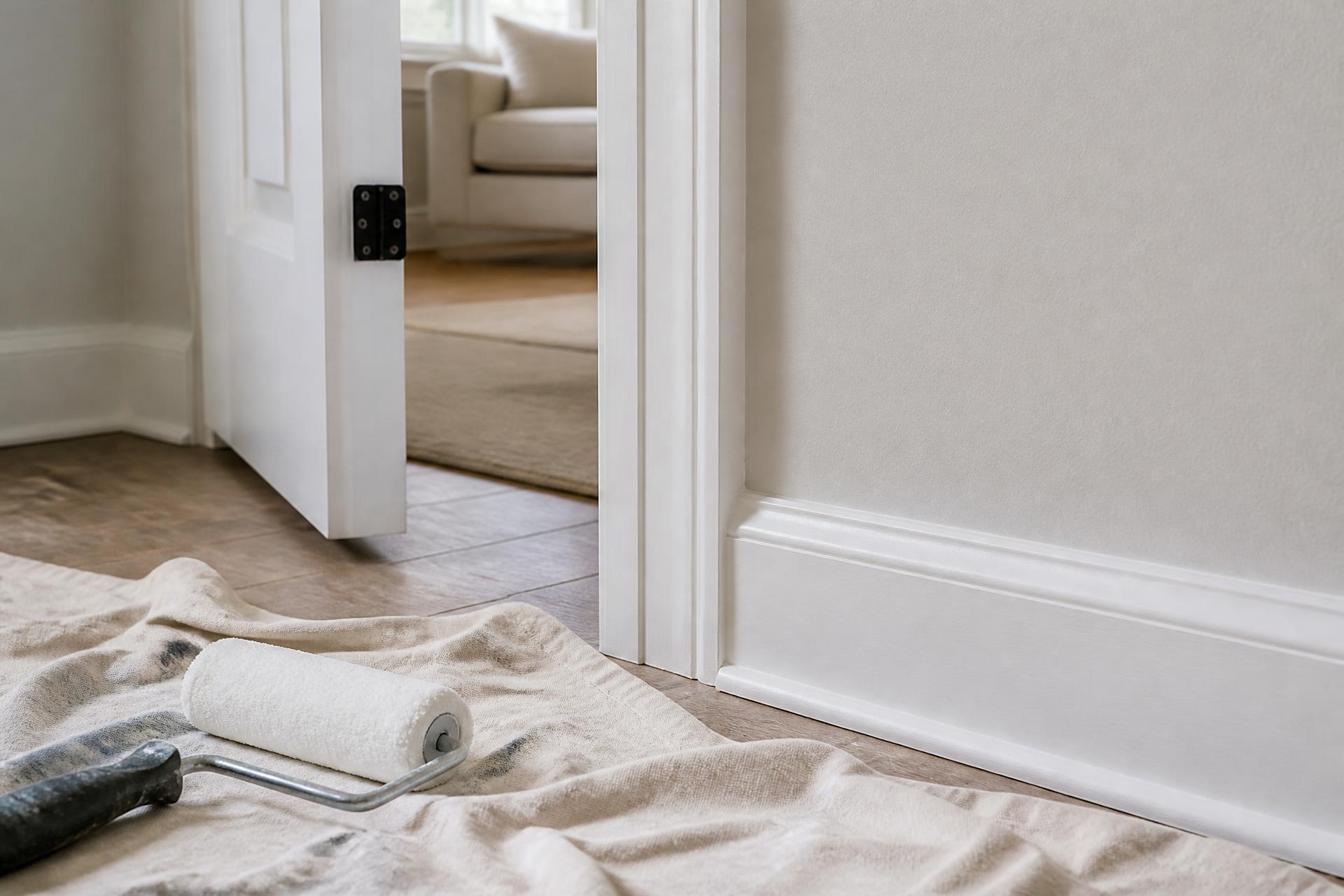
Paint remains one of the simplest ways to refresh a home before it goes on the market.
Not because buyers love fresh paint.
Because clean, neutral walls allow buyers to focus on the home rather than the previous owner’s decorating choices.
That doesn’t mean every room needs to be white.
Nor does it mean every home should look identical.
The objective is consistency.
A cohesive color palette creates a calmer experience and allows architectural details, natural light, and room proportions to become the focus.
When buyers aren’t distracted by color, they’re better able to imagine the home as their own.
Kitchens Matter—But Not Always the Way People Think
Few rooms receive more attention than the kitchen.
It’s also where homeowners often overspend.
A complete kitchen renovation before selling rarely produces the return people expect.
In many cases, thoughtful improvements create a greater impact.
- Professional cleaning.
- Updated cabinet hardware.
- Fresh paint.
- Improved lighting.
- New faucets.
- Minor repairs.
- Replacing worn caulking.
- Repairing damaged cabinetry.
- Updating outdated fixtures.
Sometimes those relatively modest improvements dramatically change how a kitchen feels without requiring a complete remodel.
The goal isn’t creating the most luxurious kitchen in the neighborhood.
It’s creating a kitchen that feels clean, functional, well maintained, and appropriate for the home.
Bathrooms Should Feel Fresh, Not Brand New
Bathrooms follow many of the same principles.
Buyers notice cleanliness before they notice luxury.
- Fresh grout.
- Clean glass.
- Updated lighting.
- Working fixtures.
- Bright mirrors.
- Fresh caulking.
- Neutral paint.
These improvements often communicate care far more effectively than expensive cosmetic renovations completed immediately before listing.
If larger updates are needed, it’s worth evaluating whether the investment truly aligns with neighborhood expectations and market value.
Not every renovation adds meaningful value.
Sometimes it simply adds cost.
Lighting Changes Everything
One of the easiest details to overlook before listing a home is also one of the most influential.
Lighting.
Buyers don’t walk through a home measuring lumens or evaluating fixture specifications. They simply notice how the home feels.
Dark rooms feel smaller.
Poor lighting can make beautiful finishes appear dated.
Warm, inviting spaces encourage buyers to linger longer, and time spent in a home often translates into a stronger emotional connection.
Before investing in expensive fixtures, consider simpler improvements:
- Replace burned-out bulbs.
- Use matching color temperatures throughout the home.
- Open window coverings to maximize natural light.
- Clean windows inside and out.
- Replace dated fixtures that visually age the home.
- Add lighting where workspaces or darker corners feel underlit.
These aren’t dramatic renovations.
They’re thoughtful refinements that help buyers experience the home the way it’s was intended to be experienced.
First Impressions Begin Before Buyers Walk Through the Door
Curb appeal isn’t about creating the most impressive yard in the neighborhood.
It’s about creating confidence before the front door ever opens.
Within seconds of arriving, buyers begin forming opinions about how the property has been maintained.
Simple improvements often create the biggest impact:
- Fresh mulch
- Trimmed landscaping
- Pressure washing walkways and driveways
- Clean windows
- A freshly painted front door if needed
- Healthy seasonal plantings
- Clean exterior lighting
- Clearly visible house numbers
These improvements aren’t about creating perfection.
They’re about communicating pride of ownership.
That message continues throughout the showing.
Decluttering Isn’t About Minimalism
One of the words buyers hear most often before selling is “declutter.”
Unfortunately, it’s often misunderstood.
The objective isn’t making your home feel empty.
It’s making it feel spacious.
Every room should clearly communicate its purpose.
Every pathway should feel open.
Every closet should demonstrate usable storage.
When buyers struggle to see the room because they’re looking at belongings, the home itself becomes secondary.
Before listing, ask yourself:
If I were walking through this home for the first time, what would my eyes naturally focus on?
If the answer is stacks of paperwork, overflowing bookshelves, excess furniture, or crowded countertops, the room probably isn’t telling its story as effectively as it could.
Thoughtful editing—not sterile staging—is usually enough.
Professional Photography Starts with Preparation
Professional photography has never been more important.
For many buyers, your home’s first showing happens online.
Photography doesn’t create value.
It reveals value.
A beautifully prepared home photographed professionally almost always presents differently than a home rushed onto the market.
That preparation includes:
- Clean windows
- Fresh landscaping
- Neutral bedding
- Fluffed pillows
- Straight artwork
- Open blinds where appropriate
- Consistent lighting
- Clean countertops
- Hidden cords
- Removed personal items
Small details become surprisingly noticeable through a camera lens.
Should You Renovate Before Selling?
This is one of the questions I’m asked most often.
The answer is:
It depends.
It depends on:
- Your neighborhood
- The price point
- Market conditions
- Buyer expectations
- The condition of competing homes
- Your budget
- Your timeline
There isn’t a universal checklist.
A $75,000 renovation isn’t automatically a wise investment simply because it’s beautiful.
Likewise, choosing to do nothing may leave meaningful value on the table.
The best approach is evaluating improvements strategically—not emotionally.
Sometimes a comprehensive renovation is appropriate.
More often, thoughtful preparation, targeted updates, professional guidance, and excellent presentation create a stronger return with significantly less expense.
The Threshold Perspective
Preparing a home for sale isn’t about creating perfection.
It’s about creating confidence.
Every decision should help buyers answer one important question:
Can I picture myself living here?
That confidence comes from many small details working together.
- A well-maintained home.
- A welcoming first impression.
- Thoughtful presentation.
- Honest condition.
- Quality photography.
- Clear communication.
I’ve spent years working in real estate, construction, remodeling, and renovation, and one lesson continues to prove itself.
The homes that perform best aren’t always the newest.
They aren’t always the most expensive.
They aren’t always the most extensively renovated.
They’re the homes that have been thoughtfully prepared.
Because buyers don’t simply purchase finishes.
They purchase peace of mind.
A Final Thought
Selling a home is more than preparing a property—it’s preparing buyers to see its value.
The most successful listings rarely happen by accident.
They’re the result of thoughtful planning, careful preparation, and understanding how buyers evaluate a home.
Before spending money on renovations, it’s worth stepping back and asking a different question:
What will help the next owner feel confident saying yes?
When preparation is guided by strategy instead of assumptions, homeowners often achieve better results while avoiding unnecessary expense.
That’s the difference between improving a house and positioning it thoughtfully for the market.
Preparing to sell in Middle Tennessee?
From deferred maintenance and targeted updates to presentation and photography, these decisions deserve thoughtful guidance well before your home reaches the market.